
Last update: March 2026
Ultimate All-Inclusive Success Package
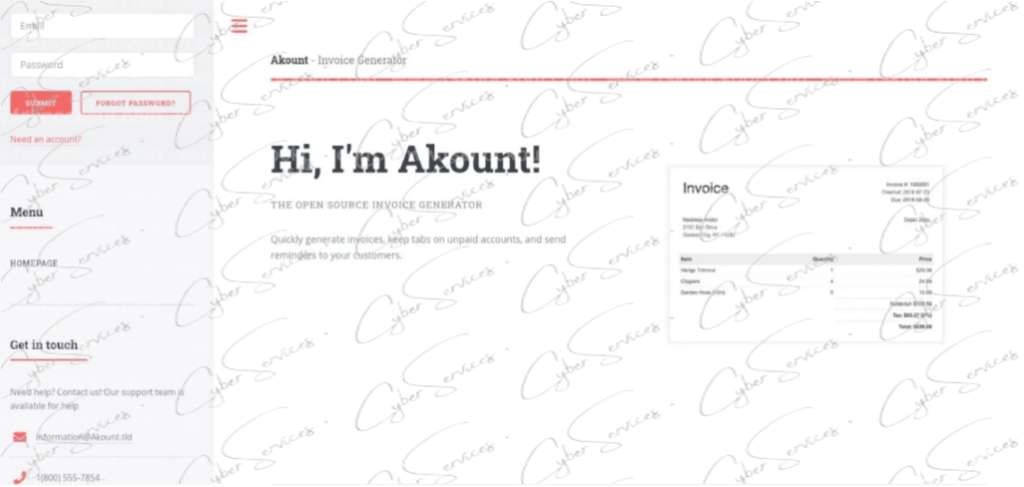
Direct Methodology for Akount & Soapbox

OSWE Preparation Guides & Exam Resources
OSWE Common Mistakes
Learn the most common OSWE exam mistakes, WEB-300 preparation pitfalls, and advanced web exploitation certification tips.
Read OSWE MistakesOSWE Latest Dump Preparation
Explore OSWE latest dump preparation strategies, WEB-300 study workflow, and advanced web exploitation exam guidance.
Read OSWE PreparationOSWE Exam Updates (Last Year – Today)
Over the last year, the OSWE (Offensive Security Web Expert) exam has remained consistent in structure while steadily evolving in technical depth. The exam is still a 48-hour hands-on challenge that requires candidates to exploit multiple web applications through manual testing and detailed source code analysis. There have been no major changes to the exam format, duration, or scoring model during this period.
What has changed is the complexity and realism of the targets. Recent exam environments reflect modern web application architectures more closely, including custom frameworks, layered authentication mechanisms, and business logic flaws. Candidates are expected to demonstrate a strong understanding of server-side vulnerabilities such as SQL injection, insecure deserialization, authentication bypasses, and logic-based exploitation—often without relying on automated scanners.
The OSWE content remains fully relevant and up to date. Manual code review, exploit chaining, and precise documentation are still the core skills being evaluated. Tools are allowed, but success depends heavily on understanding why a vulnerability exists and how to weaponize it reliably.
Candidates should pay close attention to time management, clean methodology, and reporting quality. Clear notes, reproducible exploits, and well-written explanations can make a decisive difference. Overall, OSWE continues to be a demanding, real-world–aligned certification for advanced web security professionals.
Yes, the OSWE exam is still highly valid and respected in 2026. It is considered one of the most advanced web application security certifications and is especially valued for roles involving secure code review and advanced exploitation.
There have been no radical format changes, but the exam scenarios now better reflect modern web applications. Increased emphasis is placed on source code analysis, complex authentication flows, and real-world logic vulnerabilities rather than basic or tool-driven findings.